
 Recommended On
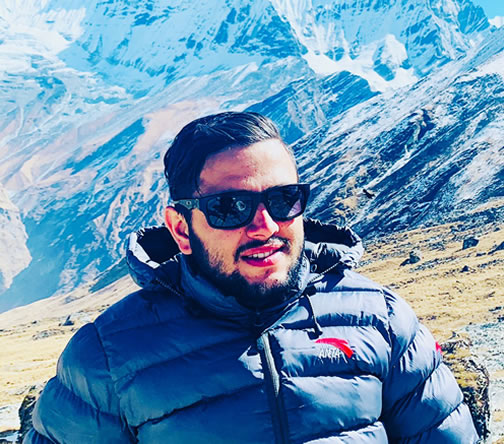
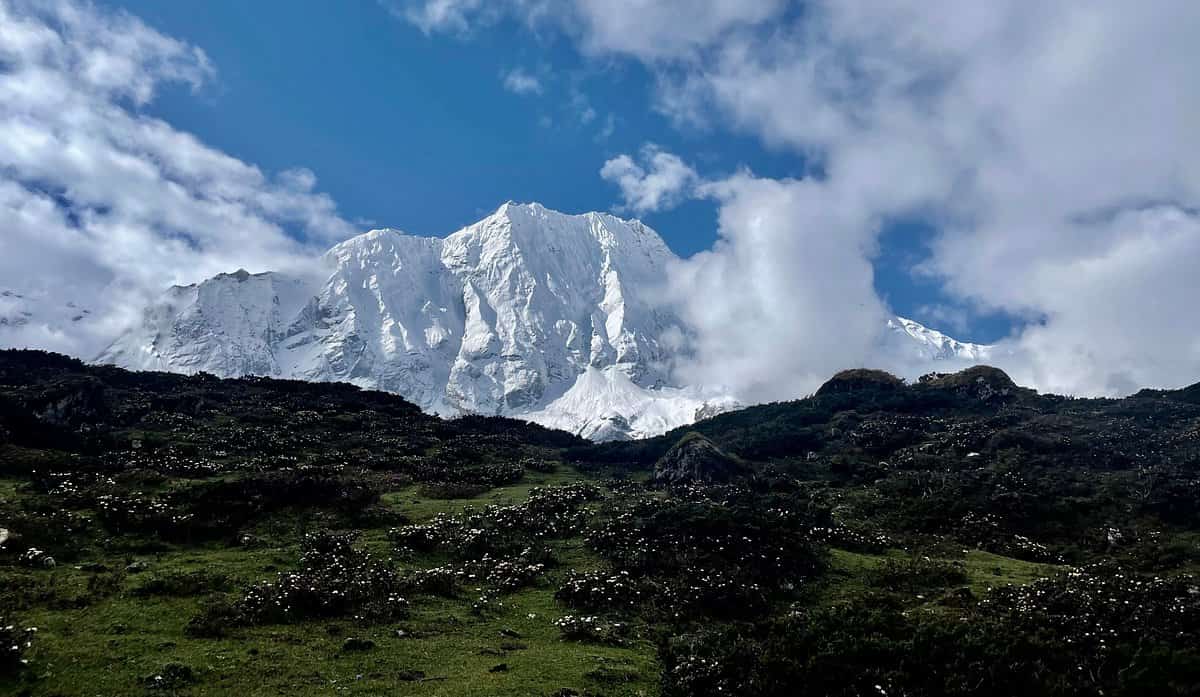
Nepal is one of the best trekking destinations in the world for beginners because the country offers mountain trails across different difficulty levels, strong tea house trekking infrastructure, and accessible Himalayan routes with spectacular scenery. Many first-time trekking Nepal travelers are surprised that they do not need mountaineering experience to enjoy most beginner-friendly treks Nepal offers.
The Nepal Himalayas include short treks in Nepal, low altitude treks in Nepal, scenic ridge walks, and moderate trekking routes that are achievable for travelers with basic fitness and realistic preparation. Tea house trekking in Nepal also makes trekking easier because trekkers can stay in mountain lodges with meals, beds, and local hospitality throughout the journey.
Many beginner trekkers worry about altitude sickness, Nepal trekking, mountain weather, accommodation, trekking safety in Nepal, and physical fitness before arriving. Those concerns are completely normal, especially for people attempting their first Himalayan trek. Fortunately, several beginner trekking Nepal routes are designed around gradual elevation gain, a manageable trekking pace, and accessible logistics.
At World Expedition Nepal, we regularly help first-time trekkers choose routes based on fitness, altitude comfort, trekking duration, and seasonal trail conditions. Their teams also assist with trekking permits, tea house accommodation, local transportation, acclimatization planning, and route-specific safety guidance across Nepal’s major trekking regions.
What Makes a Trek Beginner-Friendly in Nepal?
Beginner-friendly treks in Nepal usually involve manageable altitudes, shorter trekking durations, tea house accommodation, accessible logistics, and safer trekking conditions compared to remote high-altitude expeditions.
Moderate Altitude and Manageable Trekking Days
Most beginner treks in Nepal stay at lower or moderate altitudes compared to the Everest Base Camp or the Manaslu Circuit Trek. Lower elevation reduces the risk of altitude sickness in Nepal trekking while making acclimatization trekking in Nepal easier for beginners.
Treks with gradual ascent also help the body adjust more comfortably during consecutive trekking days. Many beginners struggle more from repetitive uphill walking than from altitude itself during their first Himalayan trek.
Well-Established Tea House Infrastructure
Tea house trekking in Nepal makes trekking much more manageable because food and accommodation remain available throughout most beginner trekking routes Nepal offers. Trekkers do not need camping equipment or complicated logistics during the journey.
Most tea houses provide:
-
twin-sharing rooms
-
blankets and pillows
-
local meals
-
tea and snacks
-
shared dining halls
-
charging facilities
-
hot showers at lower elevations
-
WiFi in some villages
The tea house trekking system is one reason trekking in Nepal for beginners feels more accessible than trekking in many other mountain regions.
Accessible Transportation and Route Logistics
Many easy treks in Nepal begin near Pokhara or Kathmandu, which simplifies transportation and trekking logistics. Routes with easier access usually create less stress for first-time trekkers unfamiliar with mountain travel.
Popular beginner trekking routes in Nepal also maintain stronger trail infrastructure, regular tea houses, and easier navigation.
Why Some “Easy” Nepal Treks Still Feel Difficult
Even beginner-friendly treks in Nepal still involve uphill walking, mountain weather, stone staircases, and several days of continuous hiking. Many beginners underestimate how tiring consecutive trekking days become once elevation gain and recovery fatigue start building together.
At World Expedition Nepal, we regularly explain that “easy Himalayan treks Nepal” does not mean effortless walking. Slow trekking pace, hydration, and realistic expectations remain extremely important.
How to Choose the Right Beginner Trek
The best beginner trek in Nepal depends on:
-
available vacation time
-
trekking fitness
-
altitude comfort
-
trekking goals
-
desired scenery
-
weather season
-
previous hiking experience
Trekkers wanting short holidays often choose routes near Pokhara, while travelers wanting bigger Himalayan scenery usually prefer the Annapurna region or the Everest View Trek.
Can Beginners Really Trek in Nepal?
Most beginner treks in Nepal focus on hiking endurance rather than technical climbing, making them achievable for active travelers with proper pacing and preparation.
Why Nepal Is Ideal for First-Time Trekkers
Nepal remains one of the easiest places in the world for first-time Himalayan trekking because tea houses, trekking guides in Nepal, and established trekking routes reduce logistical difficulty significantly.
The country also offers trekking routes across different difficulty levels, from low altitude treks in Nepal to more physically demanding moderate-altitude adventures.
Do Beginners Need Previous Hiking Experience?
Most beginner trekkers do not need technical hiking experience. However, regular walking, stair climbing, or basic cardio training helps significantly during longer trekking days.
Trekkers who already enjoy outdoor walking or hiking usually adapt more comfortably once the uphill mountain trails become repetitive.
Difference Between Trekking and Mountaineering
Trekking involves walking through mountain trails and villages without technical climbing equipment. Mountaineering requires ropes, ice axes, glacier travel, and climbing skills.
Most beginner trekking Nepal routes fall completely into the trekking category instead of mountaineering.
What Fitness Level Beginners Need
Most beginner treks require:
-
moderate endurance
-
walking stamina
-
ability to hike several consecutive days
-
comfort with uphill walking
-
reasonable recovery ability
Extreme athletic fitness is unnecessary for most trekking in Nepal for beginners.
Why Slow Trekking Pace Matters
Fast uphill walking usually creates unnecessary exhaustion at altitude. A slow, consistent trekking pace helps trekkers conserve energy and acclimatize more safely throughout the route.
World Expedition Nepal, we encourage first-time trekkers to walk slowly and maintain breathing rhythm instead of competing for speed during climbs.
Ghorepani Poon Hill Trek for Beginners
Ghorepani Poon Hill is often considered the best beginner trek in Nepal because it combines lower altitude, accessible logistics, comfortable tea houses, and excellent Himalayan scenery.
Why Poon Hill Is Beginner Friendly
Poon Hill remains one of the most beginner-friendly treks Nepal offers because the route stays at a moderate altitude while maintaining strong tea house infrastructure and accessible transportation from Pokhara.
The trail also feels socially comfortable for beginners because many trekkers and guides remain active throughout the route during peak trekking seasons.
Trek Duration, Altitude, and Difficulty
Most itineraries last between 4 and 6 days with manageable daily trekking hours. The route reaches a much lower altitude than Everest Base Camp or the Annapurna Circuit.
Although the route includes many stone staircases, the shorter trekking duration helps beginners recover more comfortably.
Best Features for First-Time Trekkers
Poon Hill combines:
-
sunrise Himalayan scenery
-
rhododendron forests
-
moderate trekking difficulty
-
tea house trekking Nepal
-
shorter trekking duration
-
accessible logistics
-
lower altitude exposure
Many beginners describe it as the perfect introduction to Himalayan trekking.
Best Season for Poon Hill Trek
Spring and autumn usually provide the best trekking conditions because mountain weather remains stable and trails stay drier.
Spring also brings colorful rhododendron forests across the Annapurna region.
What Beginners Usually Underestimate on Poon Hill
Many beginners underestimate how tiring stone staircases feel after several consecutive trekking days. Even moderate trekking routes become physically tiring once uphill walking continues repeatedly.
Cold mornings also surprise many first-time trekkers during sunrise hikes toward Poon Hill viewpoint.
Mardi Himal Trek for Beginners
Mardi Himal Trek is suitable for beginners wanting a more adventurous Himalayan trekking experience with scenic ridge trails and moderate trekking difficulty.
Scenic Ridge Trails and Mountain Views
Mardi Himal Trek offers continuous mountain scenery across scenic ridge trails in the Annapurna region. Many trekkers prefer the quieter atmosphere because the route usually receives fewer crowds than Poon Hill or Annapurna Base Camp.
The route feels more adventurous without becoming extremely technical.
Altitude and Trekking Difficulty
Mardi Himal reaches a higher altitude than Poon Hill, so acclimatization and a slower trekking pace become more important.
Prepared beginners with good walking stamina usually complete the trek comfortably when maintaining a realistic daily pace.
Why Many Beginners Choose Mardi Himal
Many first-time trekking Nepal travelers choose Mardi Himal because the route combines:
-
scenic ridge walking
-
tea house trekking
-
moderate trekking duration
-
mountain scenery
-
quieter trails
-
accessible Pokhara logistics
The route feels adventurous while remaining manageable for beginners.
Tea House Conditions on Mardi Himal
Tea house accommodation becomes more basic at higher villages, but most trekkers still find facilities comfortable enough for a moderate trekking duration.
Dining halls also become important social spaces where trekkers rest and discuss trail conditions during evenings.
What Beginners Usually Struggle With on Mardi Himal
Trekkers often underestimate:
-
cold weather near High Camp
-
uphill ridge walking
-
exposure to wind
-
slower recovery at altitude
-
early morning starts
These factors usually feel harder during the second half of the trek.
Langtang Valley Trek for Beginners
Langtang Valley Trek is ideal for beginners wanting quieter mountain trails, cultural villages, moderate altitude, and a less crowded trekking experience near Kathmandu.
Trekking Through Forests and Villages
Langtang Valley Trek passes through forests, rivers, suspension bridges, and mountain villages north of Kathmandu.
Many trekkers enjoy the quieter atmosphere because the route feels less commercialized than major Annapurna or Everest trekking routes.
Altitude and Trail Conditions
The route reaches a moderate altitude, so acclimatization, trekking in Nepal, and hydration remain important.
Trail conditions usually include:
-
forest trails
-
stone staircases
-
uphill walking
-
suspension bridges
-
rocky sections
Most beginners find the trekking difficulty manageable with proper pacing.
Why Langtang Appeals to Beginners
Langtang appeals strongly to trekkers wanting:
-
quieter trails
-
mountain culture
-
moderate altitude
-
tea house trekking Nepal
-
less crowded trekking routes
-
accessible logistics from Kathmandu
The cultural atmosphere also feels rich because of the Tamang villages and Buddhist monasteries.
What Makes Langtang Different From Annapurna Routes
Langtang feels quieter, more compact, and less crowded than many Annapurna trekking routes.
Transportation also remains easier because the trek begins closer to Kathmandu.
What Beginners Usually Notice in Langtang
Many trekkers notice:
-
stronger local hospitality
-
quieter mountain atmosphere
-
fewer crowds
-
more traditional villages
-
peaceful trekking rhythm
The slower atmosphere often becomes one of the most memorable parts of the trek.
Everest View Trek for Beginners
Everest View Trek allows beginners to experience the Everest region scenery and Sherpa culture without the longer duration and higher altitude of the Everest Base Camp Trek.
Experiencing Everest Without Base Camp
Everest View Trek gives beginners access to Everest scenery while avoiding the full Everest Base Camp route.
Trekkers still experience:
-
Sherpa villages
-
mountain culture
-
suspension bridges
-
tea house trekking
-
Everest viewpoints
-
Namche Bazaar
without the extreme physical demands of longer expeditions.
Trek Difficulty and Altitude Expectations
The route still reaches moderate altitude, so a slower trekking pace remains important.
Many beginners notice heavier breathing near Namche Bazaar because elevation gain happens relatively quickly during the early trekking days.
Sherpa Culture and Tea House Experience
The Everest region provides strong mountain culture through monasteries, Sherpa villages, prayer flags, and local tea houses.
Many trekkers remember the cultural atmosphere just as strongly as the Himalayan scenery.
Why Everest View Trek Is Easier Than Everest Base Camp
The route involves:
-
fewer trekking days
-
lower altitude exposure
-
less accumulated fatigue
-
easier recovery
-
reduced weather exposure
This makes it much more manageable for beginner trekkers.
Common Beginner Challenges in the Everest Region
Trekkers often underestimate:
-
steep uphill climbs
-
suspension bridge crossings
-
colder mornings
-
altitude fatigue
-
long staircases near Namche
Slow pacing becomes especially important here.
Annapurna Base Camp Trek for Beginners
Annapurna Base Camp Trek is more physically demanding than shorter beginner treks, but many prepared beginners complete it successfully because of the strong tea house infrastructure and gradual route progression.
Why ABC Is Possible for Prepared Beginners
Annapurna Base Camp Trek involves moderate trekking difficulty rather than technical climbing.
Prepared beginners with good endurance usually complete the trek successfully when maintaining a steady trekking pace and proper acclimatization.
Trekking Difficulty and Daily Walking Hours
Most itineraries involve:
-
5 to 7 trekking hours daily
-
continuous uphill walking
-
gradual elevation gain
-
colder temperatures near base camp
Recovery becomes more difficult once the altitude increases near Annapurna Base Camp.
Tea House Infrastructure and Accessibility
ABC Trek maintains a strong trekking infrastructure with tea houses available throughout the route.
Accommodation, meals, and local trekking support remain consistently available, which helps beginners feel more comfortable during longer trekking days.
What Makes Annapurna Base Camp Rewarding
Trekkers often love ABC because the route combines:
-
glacier scenery
-
mountain amphitheater views
-
tea house trekking
-
Himalayan atmosphere
-
mountain villages
-
rewarding trekking challenge
The scenery often feels dramatic without requiring technical mountaineering.
What Beginners Usually Underestimate About ABC
Many beginners underestimate:
-
continuous uphill sections
-
cold mornings
-
accumulated fatigue
-
downhill knee strain
-
longer trekking duration
These challenges usually become more noticeable later in the trek.
Helambu Trek for Beginners
Helambu Trek is a good beginner trekking option near Kathmandu because it combines moderate trails, lower altitude, and easier logistics.
Easy Trekking Near Kathmandu
Helambu Trek works well for travelers wanting a short Himalayan trekking experience near Kathmandu without difficult logistics.
Transportation remains relatively simple compared to more remote trekking regions.
Lower Altitude Conditions
The trek stays at a lower altitude than the Everest or Annapurna Base Camp routes, reducing altitude sickness risk for beginners.
Recovery also feels easier because oxygen levels remain more comfortable throughout most sections.
Forest Trails and Cultural Villages
Trekkers pass through:
-
forests
-
hillsides
-
suspension bridges
-
mountain villages
-
Buddhist communities
The cultural atmosphere feels quieter and more local compared to major trekking regions.
Why Helambu Works Well for Beginners
The route combines:
-
shorter duration
-
moderate trekking difficulty
-
easier transportation
-
lower altitude
-
quieter trekking atmosphere
These conditions make Helambu one of the most accessible beginner trekking routes in Nepal.
Australian Camp Trek for Beginners
Australian Camp Trek is one of the easiest treks in Nepal for beginners wanting a short Himalayan trekking experience near Pokhara.
Short Trekking Duration and Easy Access
Australian Camp Trek requires a very short trekking duration while still offering excellent Himalayan scenery.
Transportation from Pokhara also remains simple and beginner-friendly.
Family-Friendly Trekking Experience
Many families and older trekkers choose Australian Camp because the route stays physically manageable without major altitude exposure.
The shorter trail also creates less physical fatigue compared to longer Himalayan treks.
Lower Altitude and Comfortable Conditions
Lower altitude means:
-
easier breathing
-
less fatigue
-
warmer temperatures
-
easier recovery
These conditions help first-time trekkers feel more comfortable.
Best for Travelers With Limited Time
Australian Camp works well for travelers wanting:
-
short trekking holidays
-
easy Himalayan scenery
-
family-friendly trekking
-
beginner trekking in Nepal
-
low altitude trekking
It often becomes the first trekking experience for many Nepalese visitors.
How Difficult Are Beginner Treks in Nepal?
Beginner treks in Nepal are physically manageable for most active travelers, but altitude, uphill walking, and consecutive trekking days can still feel challenging without proper pacing and preparation.
Typical Daily Trekking Hours Beginners Should Expect
Most beginner trekking routes involve between 4 and 7 hours of walking each day, depending on weather, route conditions, and itinerary pace.
Trekkers usually spend more time walking uphill than expected because Himalayan trails rarely stay flat for long periods. Even shorter trekking routes can feel physically tiring once elevation gain increases gradually throughout the day.
Trail Conditions on Beginner Trekking Routes
Common trail conditions include:
-
stone staircases
-
uphill village paths
-
suspension bridges
-
rocky trails
-
forest routes
-
uneven mountain terrain
Many first-time trekkers underestimate how repetitive uphill walking feels after several consecutive trekking days.
Altitude Challenges Beginners Should Expect
Even beginner-friendly treks Nepal offers can involve moderate altitude exposure above 2,500 to 3,500 meters.
Trekkers may notice:
-
heavier breathing
-
slower recovery
-
reduced appetite
-
mild headaches
-
increased fatigue
These changes usually appear gradually instead of suddenly.
Mental Fatigue vs Physical Fatigue
Many beginners expect the physical challenge to feel hardest. In reality, repetitive trekking routines, colder mornings, and long uphill days often create mental fatigue during the second half of the trek.
Trekkers who stay patient and maintain a slower trekking rhythm usually adapt much better.
Why Trekking Pace Matters So Much
Fast uphill walking often causes unnecessary exhaustion. Slow trekking pace allows beginners to conserve energy and acclimatize more comfortably during altitude gain.
At World Expedition Nepal, we suggest trekkers walk slowly and consistently instead of pushing aggressively early in the trek.
What Usually Feels Harder Than Beginners Expect
-
consecutive trekking days
-
downhill knee strain
-
long staircases
-
cold mornings
-
altitude fatigue
-
carrying heavy backpacks
-
poor recovery at altitude
What Fitness Level Do Beginner Treks Require?
Most beginner treks in Nepal require moderate fitness, walking endurance, and the ability to comfortably hike for several consecutive days rather than advanced athletic ability.
Can an Average Person Complete Beginner Treks?
Yes. Most active travelers with basic endurance can complete beginner trekking in Nepal routes successfully with proper pacing and preparation.
Trekkers do not need marathon-level fitness for most easy Himalayan treks Nepal offers.
Basic Endurance Expectations for Beginners
Trekkers should feel comfortable with:
-
uphill walking
-
stair climbing
-
several consecutive hiking days
-
moderate trekking hours
-
carrying light daypacks
The body gradually adapts better once the trekking rhythm becomes consistent.
Simple Training Before Arriving in Nepal
Useful Nepal trekking preparation includes:
-
walking regularly
-
hiking local trails
-
stair climbing
-
light cardio workouts
-
endurance training
-
backpack walking practice
Trekkers who prepare consistently usually recover much more comfortably during Himalayan trekking.
Why Uphill Training Helps So Much
Many beginners struggle because uphill mountain walking feels very different from flat walking in cities.
Incline walking and stair climbing help prepare:
-
calves
-
lungs
-
knees
-
leg endurance
-
breathing rhythm
These areas become extremely important during trekking in Nepal for beginners.
Why Recovery Matters More Than Speed
Many trekkers focus too heavily on walking speed before Nepal. However, Himalayan trekking rewards endurance and recovery much more than aggressive pacing.
Trekkers who conserve energy early usually feel stronger later in the trek once fatigue accumulates.
What We, World Expedition Nepal, Usually Recommend
-
train consistently instead of aggressively
-
prioritize endurance over speed
-
practice uphill walking
-
prepare for cold mornings
-
walk slowly at altitude
-
hydrate regularly during trekking days
Altitude Sickness on Beginner Treks in Nepal
Although beginner treks in Nepal usually involve lower altitudes than Everest Base Camp or Manaslu, trekkers can still experience mild altitude symptoms above 2,500 to 3,000 meters.
Which Beginner Treks Involve Moderate Altitude?
Treks like:
-
Mardi Himal Trek
-
Annapurna Base Camp Trek
-
Everest View Trek
-
Langtang Valley Trek
All involve moderate altitude exposure, where acclimatization trekking in Nepal becomes important.
Many beginners assume that only Everest Base Camp involves altitude challenges, but moderate fatigue and breathing changes can appear on many trekking routes.
Common Mild AMS Symptoms Beginners Notice
Common altitude symptoms include:
-
headaches
-
dizziness
-
unusual tiredness
-
poor sleep
-
reduced appetite
-
heavier breathing
Most symptoms improve with hydration, a slower trekking pace, and acclimatization.
Why Slow Trekking Pace Improves Acclimatization
Slow uphill movement allows the body to adapt more comfortably to thinner oxygen.
Trekkers who rush uphill sections often feel:
-
more exhausted later
-
dehydrated faster
-
heavier breathing
-
poorer recovery during evenings
Why Hydration Matters at Altitude
Cold weather suppresses thirst naturally, so many beginners accidentally drink too little water.
Dehydration quietly increases:
-
fatigue
-
headaches
-
dizziness
-
recovery difficulty
Hydration becomes much more important once the altitude increases.
Which Beginner Treks Have the Lowest Altitude Risk?
Lower altitude beginner treks include:
-
Australian Camp Trek
-
Helambu Trek
-
Ghorepani Poon Hill Trek
These routes usually create fewer altitude-related problems because elevation gain remains more moderate.
What Guides Usually Notice Before AMS Gets Worse
-
slower walking rhythm
-
reduced conversation during climbs
-
unusual silence
-
poor appetite
-
increased fatigue
-
longer rest breaks
What Is the Best Season for Beginner Trekking in Nepal?
Spring and autumn are usually the best trekking seasons for beginners in Nepal because they provide stable weather, clearer mountain views, and safer trail conditions.
Why Spring Is Popular for Beginners
Spring trekking usually brings:
-
moderate temperatures
-
blooming rhododendrons
-
stable weather
-
comfortable trekking conditions
Many beginners enjoy spring because the trails feel colorful and daytime temperatures remain comfortable.
Why Autumn Offers the Best Visibility
Autumn remains the most popular trekking season because the skies usually stay clear after monsoon rains.
Trekkers often experience:
-
better mountain visibility
-
drier trails
-
safer trekking conditions
-
comfortable temperatures
These conditions help beginners feel more comfortable during their first Himalayan trek.
Monsoon Trekking Challenges Beginners Should Know
Monsoon trekking often involves:
-
muddy trails
-
slippery staircases
-
cloudy mountain views
-
transportation delays
-
leeches in forests
These conditions can make beginner trekking in Nepal feel significantly harder.
Winter Trekking Conditions for Beginners
Winter trekking usually brings:
-
colder mornings
-
snow at higher elevations
-
freezing nights
-
shorter daylight hours
Some beginner routes remain accessible during winter, but trekkers should prepare carefully for cold-weather conditions.
Best Overall Season for First-Time Trekkers
For most beginners, autumn and spring provide the safest combination of:
-
weather stability
-
mountain visibility
-
route accessibility
-
comfortable temperatures
These seasons usually create the most enjoyable trekking experience.
Should Beginners Hire Guides in Nepal?
Many beginners hire local trekking guides in Nepal because guides improve trekking safety, pacing, logistics, and overall confidence during Himalayan trekking.
Why Guides Help First-Time Trekkers
Local guides reduce stress by helping with:
-
route navigation
-
tea house coordination
-
transportation logistics
-
weather decisions
-
altitude pacing
-
permit management
This support allows beginners to focus more on the trekking experience itself.
How Guides Improve Trekking Safety
Guides regularly monitor:
-
trekking pace
-
altitude symptoms
-
weather exposure
-
trail conditions
-
recovery fatigue
At World Expedition Nepal, we often adjust the trekking rhythm based on how beginners physically respond during the trek.
Cultural and Local Knowledge Advantages
Guides also explain:
-
local culture
-
monasteries
-
mountain traditions
-
village customs
-
trail history
These details make trekking feel much more meaningful for many beginners.
Guided Trekking vs Independent Trekking
Independent trekking works well on some routes, like:
-
Poon Hill Trek
-
Australian Camp Trek
-
Helambu Trek
However, guided trekking usually provides more confidence and safer pacing for beginners unfamiliar with Himalayan conditions.
Why Beginners Often Enjoy Guided Treks More
Many first-time trekkers enjoy guided trekking more because logistics feel easier and less stressful.
Guides also help trekkers avoid common mistakes related to:
-
pacing
-
hydration
-
altitude
-
overexertion
What Beginners Often Say About Hiring Guides
-
less stress during trekking
-
easier accommodation coordination
-
better understanding of local culture
-
more confidence at altitude
-
safer trekking pace
-
easier route navigation
What Should Beginners Pack for Treks in Nepal?
Beginner trekkers should prioritize layered clothing, comfortable trekking boots, and lightweight essentials instead of overpacking unnecessary gear.
Essential Trekking Clothing Layers
A proper layering system helps trekkers adapt to changing mountain weather throughout the day.
Useful layers include:
-
moisture-wicking base layers
-
fleece jackets
-
insulated jackets
-
waterproof outer layers
-
trekking pants
-
gloves and hats
Layering becomes especially important at higher altitude villages.
Why Trekking Boots Matter So Much
Comfortable trekking boots remain one of the most important gear items during Himalayan trekking.
New boots frequently cause painful blisters during consecutive trekking days, so boots should always be tested before arriving in Nepal.
Rain Protection and Cold-Weather Gear
Mountain weather changes quickly in Nepal. Rain jackets, warm layers, and backpack covers help trekkers stay comfortable during changing trail conditions.
Cold mornings often feel harder than many beginners initially expect.
Important Small Items Beginners Forget
Commonly forgotten items include:
-
trekking poles
-
reusable water bottles
-
sunscreen
-
lip balm
-
headlamps
-
power banks
-
blister treatment supplies
These items become extremely useful during longer trekking days.
Why Beginners Often Overpack
Many first-time trekkers pack excessive clothing or unnecessary equipment because they worry about mountain conditions.
Heavy backpacks quickly increase fatigue during uphill walking and stone staircases.
What we, World Expedition Nepal, Recommend Packing
-
lightweight layers
-
broken-in trekking boots
-
simple rain gear
-
reusable water bottles
-
basic medical supplies
-
warm sleeping clothes
-
lightweight backpacks
What Mistakes Should Beginners Avoid While Trekking in Nepal?
Many beginner trekking problems in Nepal happen because trekkers rush at altitude, overpack gear, underestimate mountain weather, or choose trekking routes beyond their fitness level.
Trekking Too Fast at Altitude
Fast uphill walking usually creates unnecessary exhaustion during Himalayan trekking. Trekkers who rush early sections often feel much more fatigued later, once altitude and consecutive trekking days begin reducing recovery.
Slow trekking pace helps the body acclimatize more comfortably while conserving energy for higher elevations. Many experienced trekking guides in Nepal recommend maintaining a conversational walking pace during climbs.
Packing Too Much Weight
Heavy backpacks quickly increase fatigue during uphill walking, stone staircases, and longer trekking days.
Many beginners pack:
-
unnecessary clothing
-
extra shoes
-
excessive electronics
-
too many snacks
-
heavy toiletries
Trekkers often realize after the first two days that lighter backpacks improve trekking comfort significantly.
Ignoring Hydration and Recovery
Dehydration quietly increases:
-
headaches
-
fatigue
-
dizziness
-
poor recovery
-
altitude discomfort
Many beginners drink less water because cold weather naturally suppresses thirst. Hydration becomes extremely important once the altitude increases above the lower valleys.
Choosing Difficult Treks Too Early
Some beginners underestimate Nepal trekking difficulty and immediately choose routes with higher altitude or longer trekking duration.
Starting with beginner-friendly treks in Nepal usually creates safer acclimatization and a more enjoyable trekking experience.
Wearing New Trekking Boots
New boots frequently cause painful blisters during consecutive trekking days.
Trekkers should always break in trekking boots before arriving in Nepal because mountain trails quickly expose uncomfortable footwear problems.
Underestimating Mountain Weather
Mountain weather changes quickly in the Nepal Himalayas. Warm lower valleys can become freezing higher on the trail within the same day.
Many first-time trekkers underestimate:
-
cold mornings
-
wind exposure
-
rain conditions
-
temperature changes after sunset
Common Beginner Trekking Mistakes
-
walking too fast uphill
-
carrying heavy backpacks
-
skipping hydration
-
ignoring altitude symptoms
-
wearing untested boots
-
underpacking warm layers
-
choosing unrealistic itineraries
What Beginners Usually Struggle With During Nepal Treks
Most beginners struggle more with uphill endurance, recovery fatigue, cold mornings, and consecutive trekking days than with technical trail difficulty.
Uphill Staircases and Long Climbs
Stone staircases and steep uphill sections often feel much harder than beginners initially expect.
Many first-time trekking in Nepal travelers discover that uphill walking becomes tiring mainly because it continues repeatedly across multiple trekking days.
Recovery Fatigue During Consecutive Trekking Days
Many beginners feel physically strong during the first few trekking days, then suddenly notice heavier legs and slower recovery later in the trek.
Recovery usually becomes harder once:
-
altitude increases
-
sleep quality decreases
-
cold weather intensifies
-
trekking days accumulate
Cold Mornings and Freezing Temperatures
Cold mornings surprise many first-time trekkers, especially at higher altitude tea houses.
Simple tasks like:
-
packing bags
-
putting on boots
-
leaving warm dining halls
often feel much harder before sunrise.
Basic Accommodation Conditions
Some beginners need time adjusting to:
-
shared bathrooms
-
colder bedrooms
-
limited heating
-
simple facilities
-
early sleeping schedules
However, most trekkers adapt quickly after the first few nights.
Mental Fatigue During Long Treks
Mental fatigue often becomes harder than physical exhaustion once repetitive mountain routines continue for many days.
Trekkers who stay patient and maintain realistic expectations usually adjust much better during the second half of the trek.
What Usually Feels Harder Later in the Trek
-
waking early in cold weather
-
downhill knee strain
-
repeated uphill walking
-
slower recovery
-
altitude fatigue
-
carrying backpacks continuously
Expert Beginner Trekking Tips From Local Guides
Experienced local trekking guides recommend slower pacing, lighter backpacks, steady hydration, and realistic expectations for safer and more enjoyable Himalayan trekking.
Walk Slowly and Consistently
Slow trekking pace helps conserve energy while improving acclimatization during uphill sections.
Trekkers who maintain a steady breathing rhythm usually feel much stronger during later trekking days.
Stay Hydrated Throughout the Trek
Hydration supports:
-
recovery
-
energy levels
-
acclimatization
-
reduced headaches
-
safer altitude adaptation
Cold weather often reduces thirst naturally, so trekkers should drink water consistently even when not feeling thirsty.
Prioritize Comfort Over Speed
Many beginners focus too heavily on speed before arriving in Nepal.
However, the Himalayan trekking rewards:
-
patience
-
endurance
-
pacing
-
recovery
-
consistency
much more than an aggressive walking pace.
Start With Moderate Trekking Routes
Trekkers usually enjoy their first Himalayan trekking experience more when starting with realistic beginner trekking Nepal routes instead of difficult high-altitude expeditions.
Completing manageable treks often builds confidence for more advanced trekking later.
Listen to Local Trekking Advice
At World Expedition Nepal, we regularly help trekkers adjust pacing, weather planning, and acclimatization strategies based on current mountain conditions.
Trail conditions and weather often change quickly in the Himalayas, making local knowledge extremely valuable.
Keep Backpacks Light
Heavy backpacks dramatically increase uphill fatigue during long trekking days.
Most beginners enjoy trekking much more when carrying only essential equipment.
Practical Trekking Tips Beginners Should Remember
-
walk slowly uphill
-
hydrate regularly
-
avoid overpacking
-
layer clothing properly
-
sleep early in tea houses
-
listen to guide advice
-
respect altitude symptoms
Are Beginner Treks in Nepal Worth It?
Beginner treks in Nepal combine Himalayan scenery, mountain culture, tea house hospitality, and achievable physical challenge, making them highly rewarding for first-time trekkers.
Why Many Beginners Return for Harder Treks Later
Many trekkers complete beginner routes, then later return for:
-
Everest Base Camp Trek
-
Annapurna Circuit Trek
-
Manaslu Circuit Trek
-
Langtang region trekking
-
higher altitude Himalayan adventures
Their first trekking experience usually builds confidence for more challenging routes later.
How Trekking Builds Confidence
Completing uphill mountain trails and adapting to altitude often creates a strong sense of achievement for beginners.
Many trekkers discover they are physically and mentally more capable than they initially expected.
Why Beginner Routes Still Feel Adventurous
Even easy Himalayan treks in Nepal still involve:
-
mountain weather
-
suspension bridges
-
tea house trekking
-
remote villages
-
physical challenge
-
changing trail conditions
The routes feel adventurous without becoming technically dangerous for most trekkers.
What Makes Himalayan Trekking Memorable
The combination of:
-
mountain scenery
-
local hospitality
-
Buddhist culture
-
slower lifestyle
-
tea house atmosphere
-
physical accomplishment
creates memorable trekking experiences even on beginner routes.
Why Nepal Remains One of the Best Trekking Destinations
Nepal combines:
-
accessible trekking infrastructure
-
diverse mountain routes
-
tea house accommodation
-
cultural experiences
-
Himalayan scenery
-
experienced local guides
better than almost anywhere else in the world for beginner trekkers.
Plan Your First Trek With World Expedition Nepal
Experienced local trekking operators help beginners choose realistic trekking routes, manage logistics, and prepare safely for Himalayan trekking conditions.
World Expedition Nepal helps beginner trekkers choose routes based on:
-
fitness level
-
altitude comfort
-
available travel time
-
trekking experience
-
weather season
-
trekking goals
Their local teams also provide:
-
transportation coordination
-
experienced trekking guides in Nepal
-
tea house arrangements
-
route planning
-
acclimatization guidance
-
local trekking expertise
The company regularly operates beginner trekking routes across:
-
Annapurna region
-
Everest region
-
Langtang Valley
-
Pokhara trekking areas
-
Kathmandu trekking routes
Many first-time trekkers feel more confident trekking with experienced local teams because guides help manage pacing, weather decisions, trail logistics, and altitude safety throughout the route.
FAQs About Beginner Treks in Nepal
Which is the best beginner trek in Nepal?
Ghorepani Poon Hill Trek is often considered the best beginner trek in Nepal because of its moderate altitude, shorter duration, strong tea house infrastructure, and accessible logistics.
Can beginners trek in Nepal without experience?
Yes. Many first-time trekkers complete beginner trekking in Nepal routes successfully without previous hiking experience when following proper pacing and preparation.
Which Nepal trek is easiest for beginners?
Australian Camp Trek and Ghorepani Poon Hill Trek are among the easiest treks in Nepal because of their lower altitude and shorter trekking duration.
How fit do beginners need to be for Nepal trekking?
Most beginner treks require moderate endurance, uphill walking ability, and comfort with several consecutive trekking days rather than extreme athletic fitness.
Is altitude sickness common on beginner treks?
Mild altitude symptoms can still occur above 2,500 to 3,000 meters, especially on Mardi Himal, ABC, Langtang, and Everest View Trek routes.
What is the best season for beginner trekking in Nepal?
Spring and autumn are usually the best trekking seasons because mountain weather remains more stable and trails are safer for beginners.
Should beginners hire trekking guides in Nepal?
Many beginners hire guides because guides improve trekking safety, route navigation, pacing, logistics, and confidence during Himalayan trekking.
